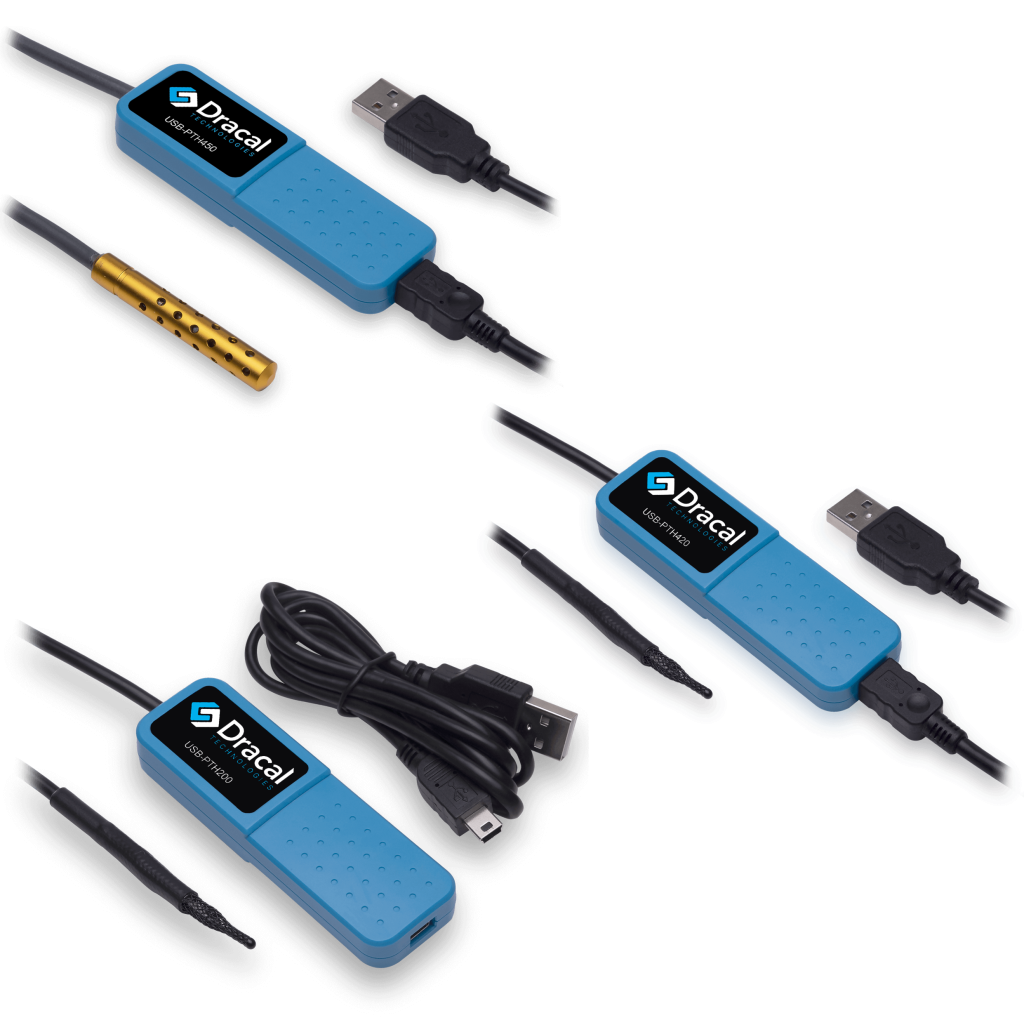
Add traceable environmental data to every test station, in minutes
Precision USB sensors that plug into your test software and deliver calibrated readings from the moment you connect them. For QC engineers, test technicians, and R&D teams building automated test benches.
Tell us about your QC projectSee how other QC teams did it ↓
Compliance standards are tightening. QC teams are smaller. And the old playbook (a $5,000 instrument per station, or an engineer building a DIY solution) no longer scales.
You’ve seen these options before:
High-end instruments
- $2,000 to $10,000+ per station
- Days of engineering to integrate
- Proprietary software ecosystems
Low-cost generic sensors
- Large variation between units
- No serial number, no calibration path
- Indefensible in any quality audit
You should not have to choose between data you can trust and a budget you can defend.
Whether you need a quick reference reading or a fully automated data pipeline feeding twenty stations, we work with QC engineers who face that trade-off every day.






2011
100K +
50+
Instrument-grade precision with sensor-level simplicity
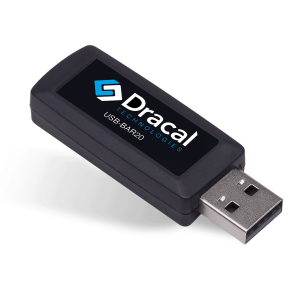
Three steps to traceable data
Choisissez votre mesure, votre niveau de protection et vos options (-CAL pour la recalibration, certificat ISO 17025 pour la traçabilité).
Branchez en USB. Lancez DracalView (gratuit) pour des graphiques instantanés, puis intégrez les données dans votre code avec des exemples prêts à copier en 10+ langages.
Ajoutez des capteurs en tout temps. Chaque unité a un numéro de série unique. Échangez en quelques secondes pour recalibrer.
What your real options look like
Are you monitoring your own lab, or building the solution your clients use?
Both paths use the same instruments, calibration mechanism, and free software.
Path A
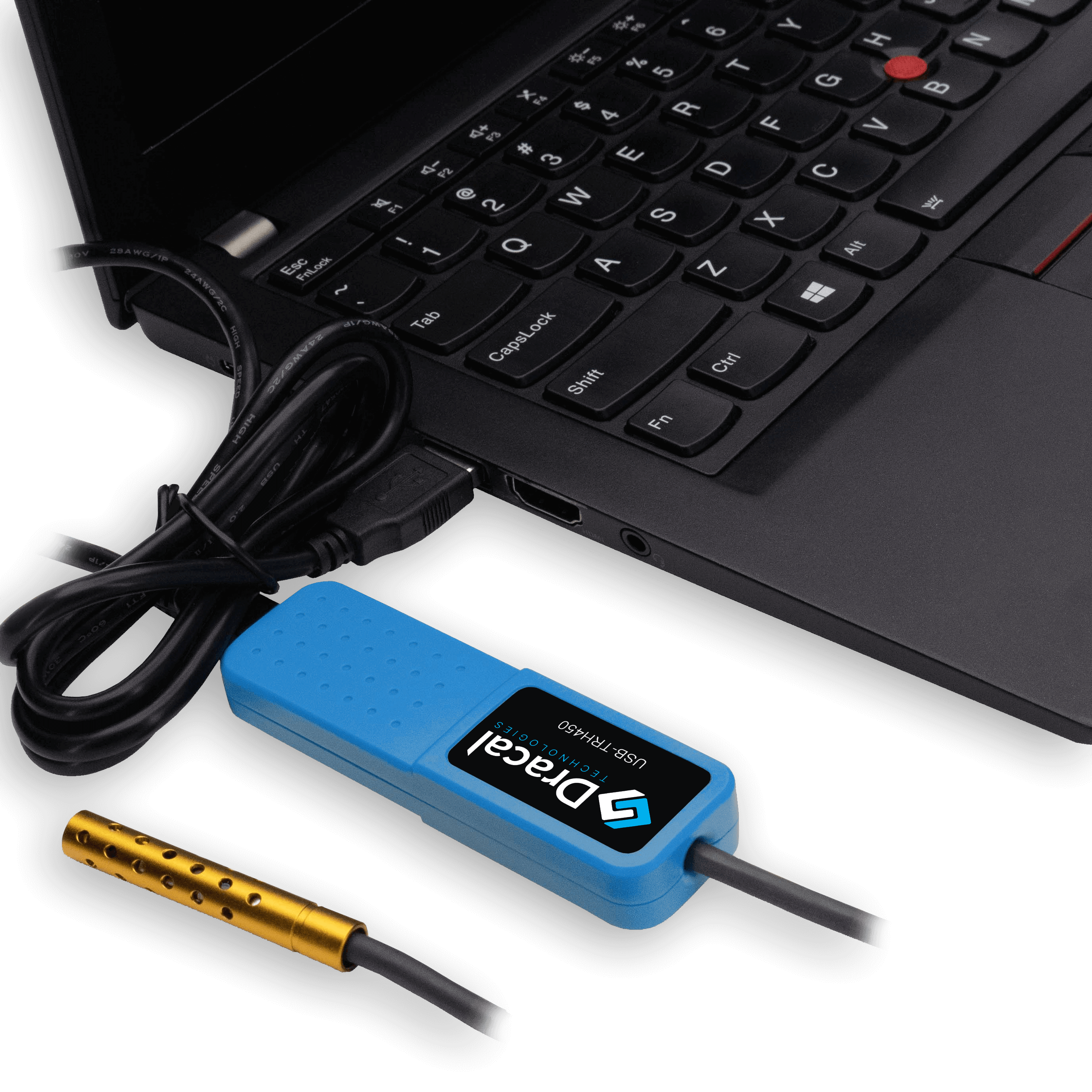
I monitor my own lab
Path B
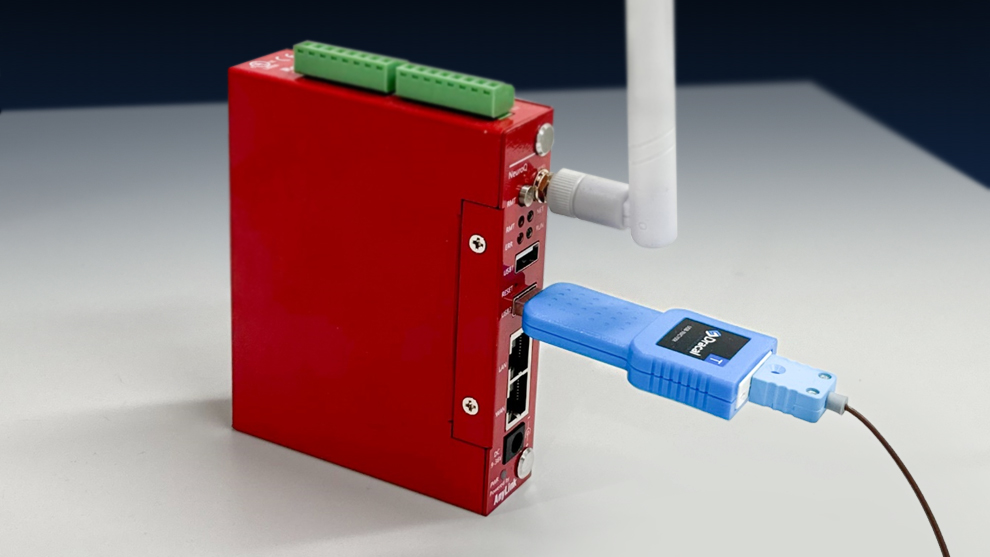
I build calibration products for my clients
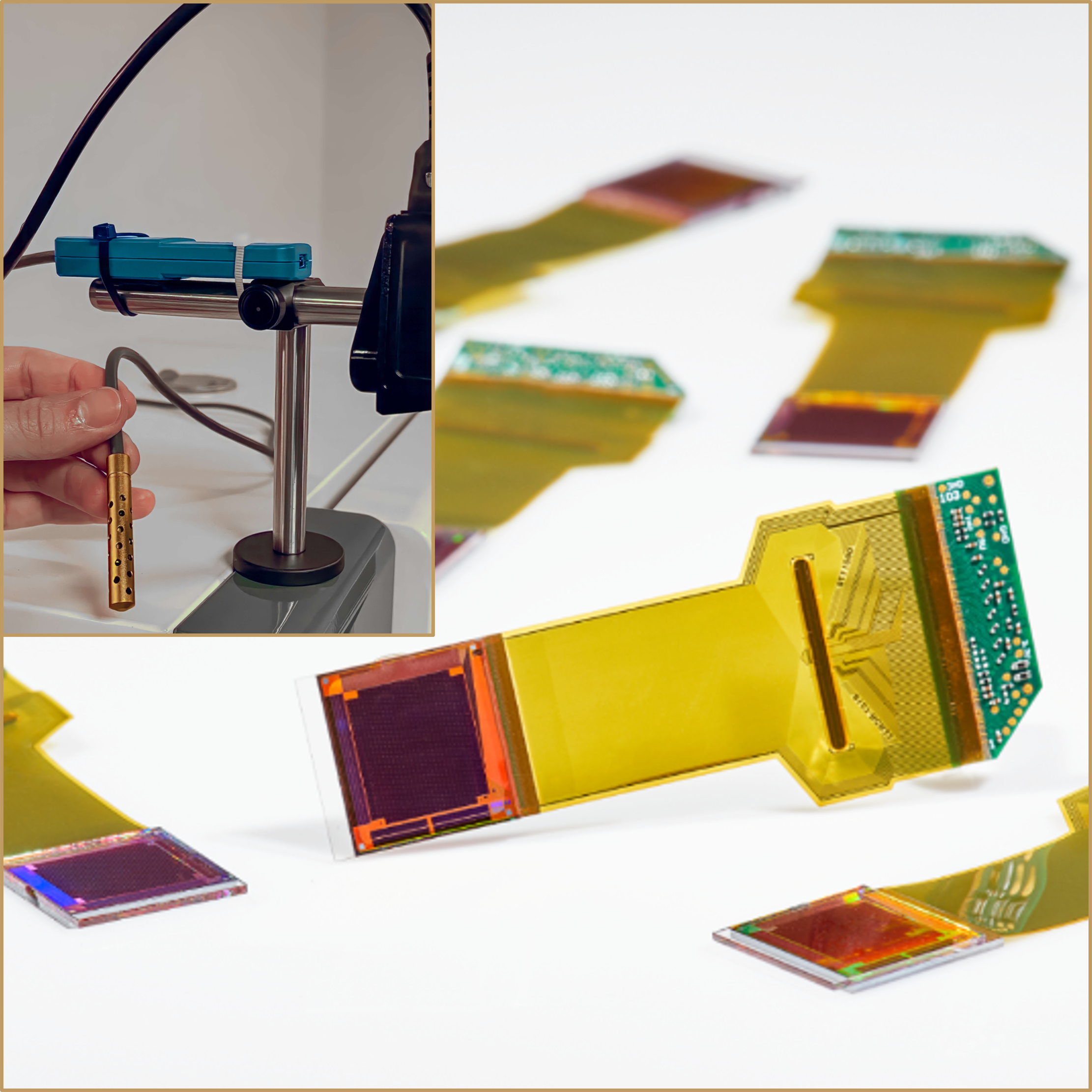
Reliability and quality system automation with Lumotive
“When we found Dracal, everything we needed was there. It was an out-of-the-box solution, with good documentation and online support, an API, and it was clear that we could communicate easily with the sensors under Windows and Linux. The sensors were physically robust and had not only the temperature range we needed, but also support for higher temperature ranges if required. After testing them, we decided to replace all testing sitewide at Lumotive with Dracal sensors.“
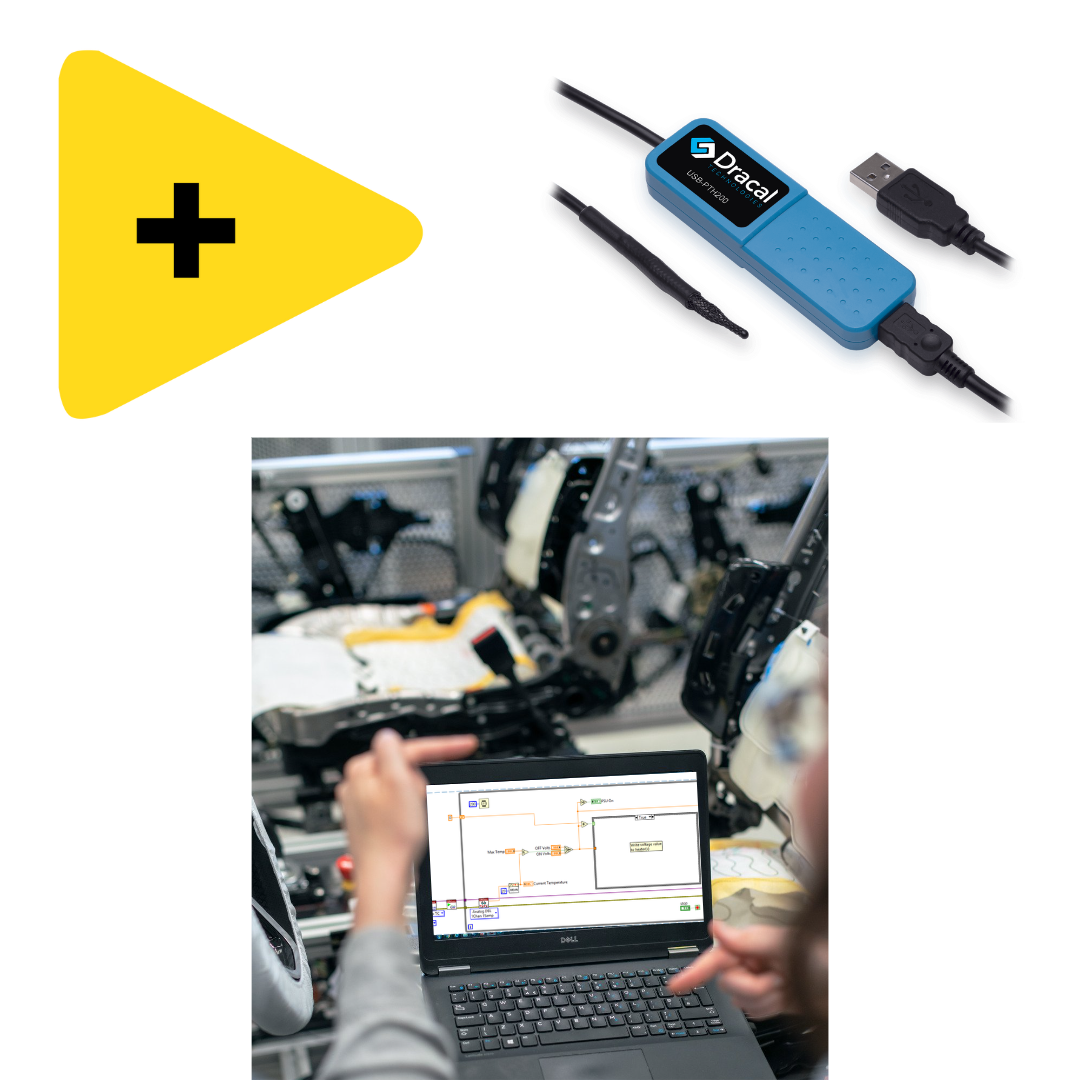
Automate 20+ test stations with traceable environmental data
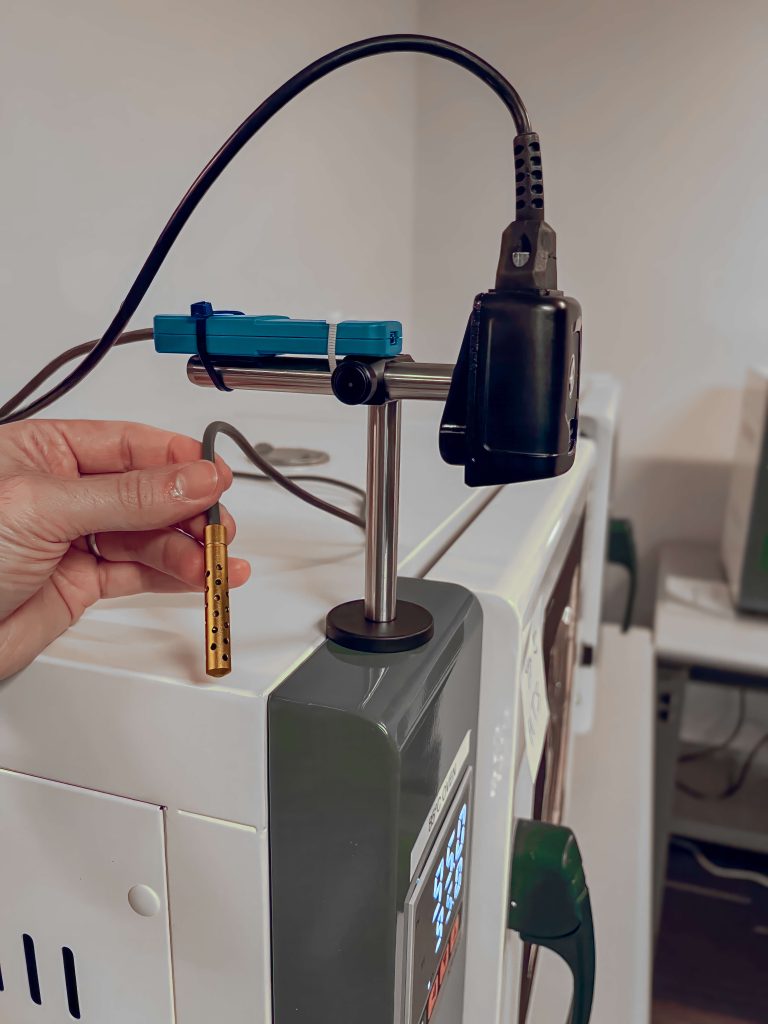
“We installed a Dracal PTH200-CAL sensor on each of our test stations, and integrated it into our original LabVIEW configuration. Collected data is automatically aggregated, and graphs are produced daily to keep track of conditions at each test station.
In our overall experience, Dracal sensors have been reliable and easy to use for years on our 20+ test stations.“
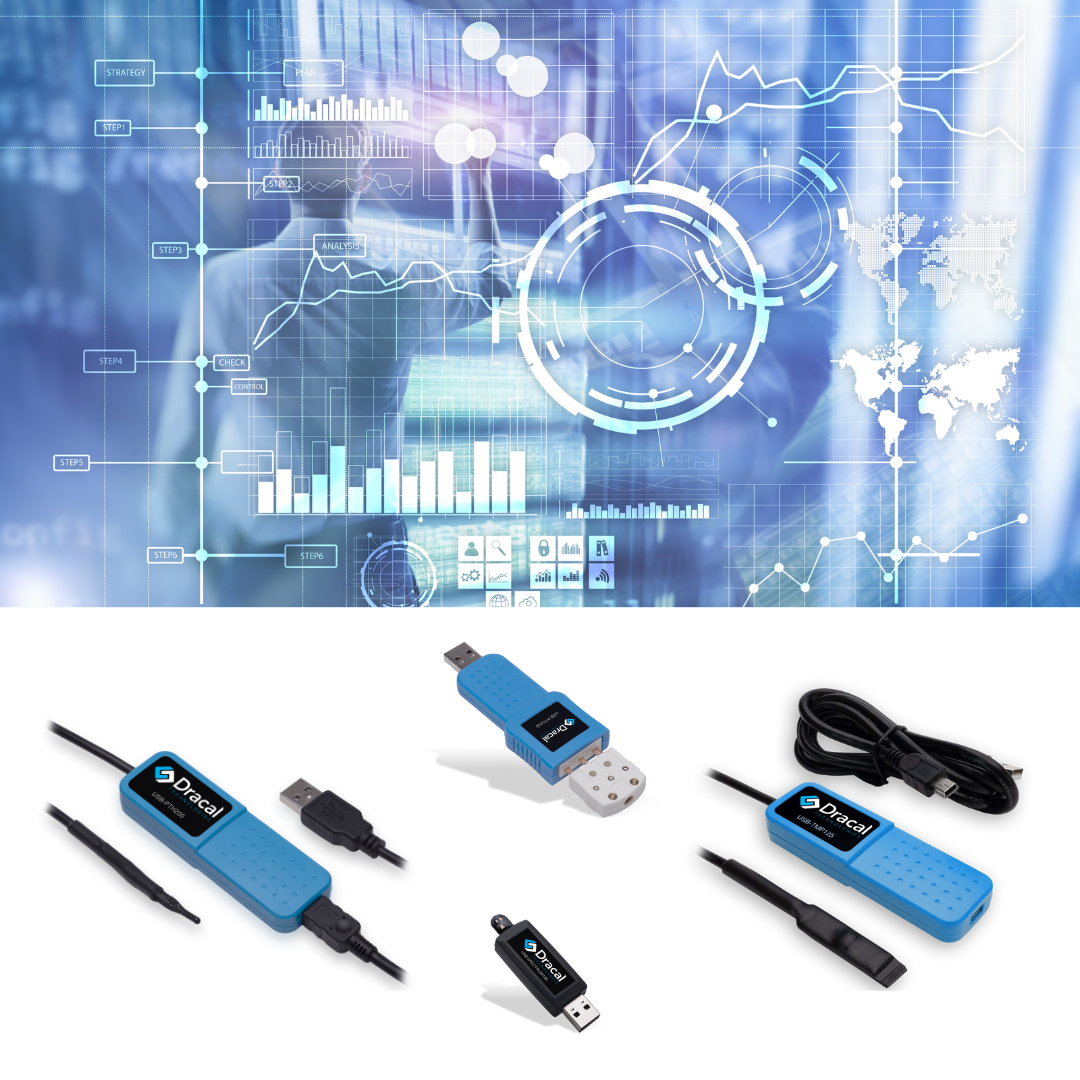
Automating processes in telematics within minutes
“At our facility, we use a homemade system built with C# and .NET for Windows, including our own logging software. Dracal’s USB solution stood out for its ease of use and simplicity in connection.
While other solutions on the market would have taken several hours to set up, we were up and running in just a couple of minutes with Dracal.“