Your DVP record and your test script need the same calibrated reference.
You run a thermal test cell, manage end-of-line stations, or build instruments for automotive clients. In each case, every measurement needs to belong in both the test script and the calibration record.
Find your use case ↓See how automotive engineers use Dracal ↓
When a test cycle runs in a thermal test cell, those conditions belong in the DVP record. When EV battery cells move through end-of-line testing, temperature needs to be logged per station and traced to a specific calibrated instrument. Without both, the data cannot be defended and the program does not move forward.
IATF 16949 and DVP documentation require a traceable calibration record and real-time data your test script can read. Most options deliver one. None of the common alternatives deliver both.
The traceability gap
Low-cost sensors deliver readings. They carry no unique serial number and no per-instrument ISO 17025 certificate. When an OEM auditor asks which calibrated instrument logged that condition, there is no answer.
The programmability gap
ThermoWorks does not offer an API. National Instruments delivers programmable DAQ integrated with LabVIEW. Its proprietary hardware blocks teams using Python or C#. Integration takes hours per sensor, and multi-station EV battery or EOL test environments push that cost higher.
A validation engineer should not need a proprietary DAQ system to get a calibrated temperature record into a Python script.
We work with test engineers, validation engineers, and OEM instrument builders in automotive.
No proprietary runtime. No manufacturer lock-in on recalibration.






2011
3-yr
50+
Three places in automotive where Dracal instruments are deployed
Each connects to your existing automation code and calibration records.
ISO 26262 validation and DVP records require calibrated ambient conditions per test event. Dracal connects to Python, LabVIEW, or C# in a single session so environmental context appears in every test record.
IATF 16949 requires traceable measurement at every test point. Dracal replaces manual thermometer recording, tags temperature to the instrument serial number, and routes data directly to the test automation script for SPC monitoring.
Automotive OEMs connect Dracal to embedded PCs via USB or VCP with no driver installation and no third-party software dependency.
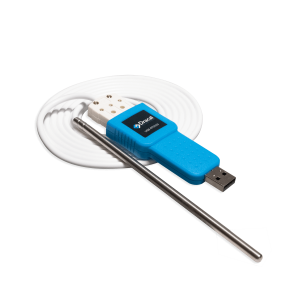
USB reference instruments for automotive and transportation environments
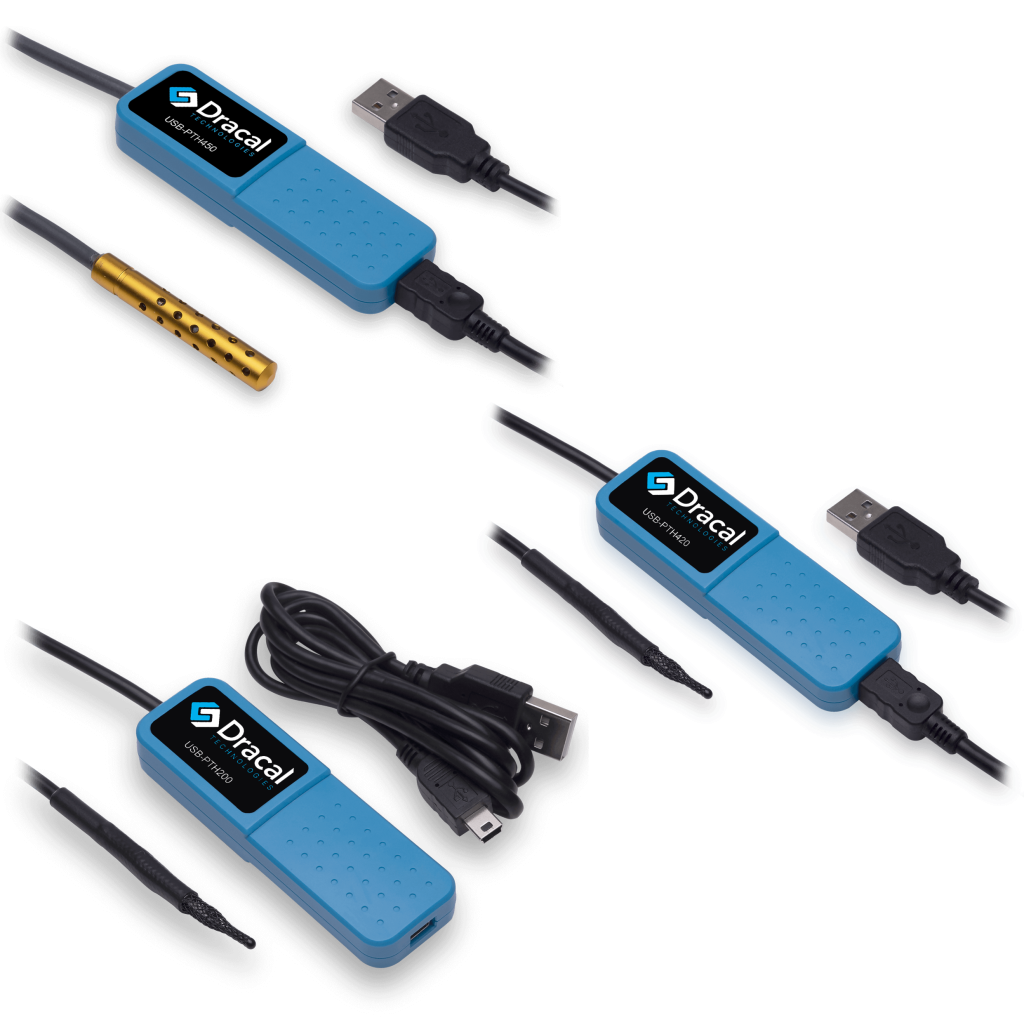
Unique serial number on every unit. Small form factor. Traceable calibration certificates available as a separate option.
YOU RUN A VALIDATION OR TEST PROGRAM
Engineering and prototyping
You manage thermal chambers, test cells, or DVP programs and need calibrated measurements linked to instrument serial numbers.
YOU MANAGE A PRODUCTION TEST LINE
Production and process automation
You run end-of-line testing or automated production stations and need IATF 16949-compliant calibration records per station.
YOU BUILD COMMERCIAL PRODUCTS FOR THE TRANSPORTATION INDUSTRY
OEM Integration
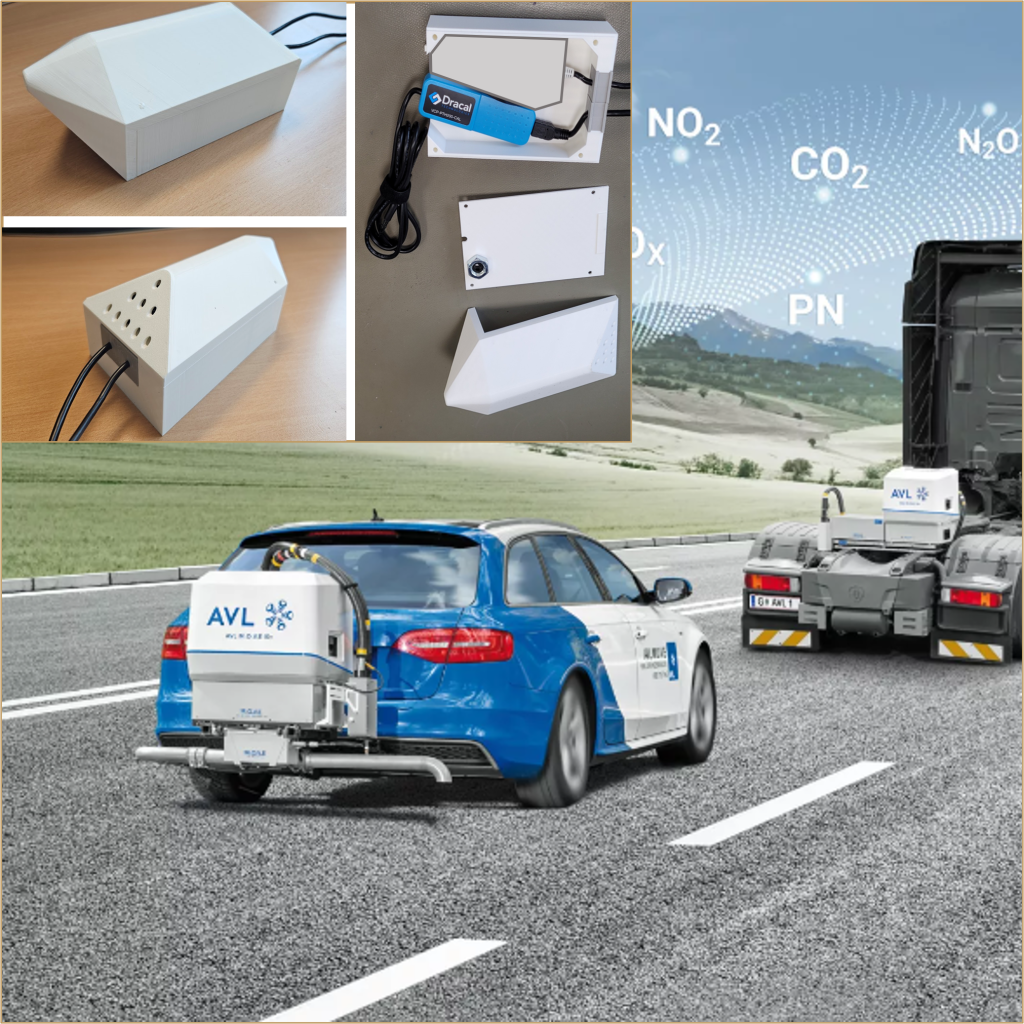
You build mobile measurement systems or commercial instruments for automotive clients and may need a calibrated sensor with no third-party software dependency.
With Dracal in your test cells and production stations, every record carries a unique serial number and an ISO 17025 calibration certificate. Your DVP review and your IATF audit are covered.
That is what an automotive test infrastructure you can stand behind looks like.
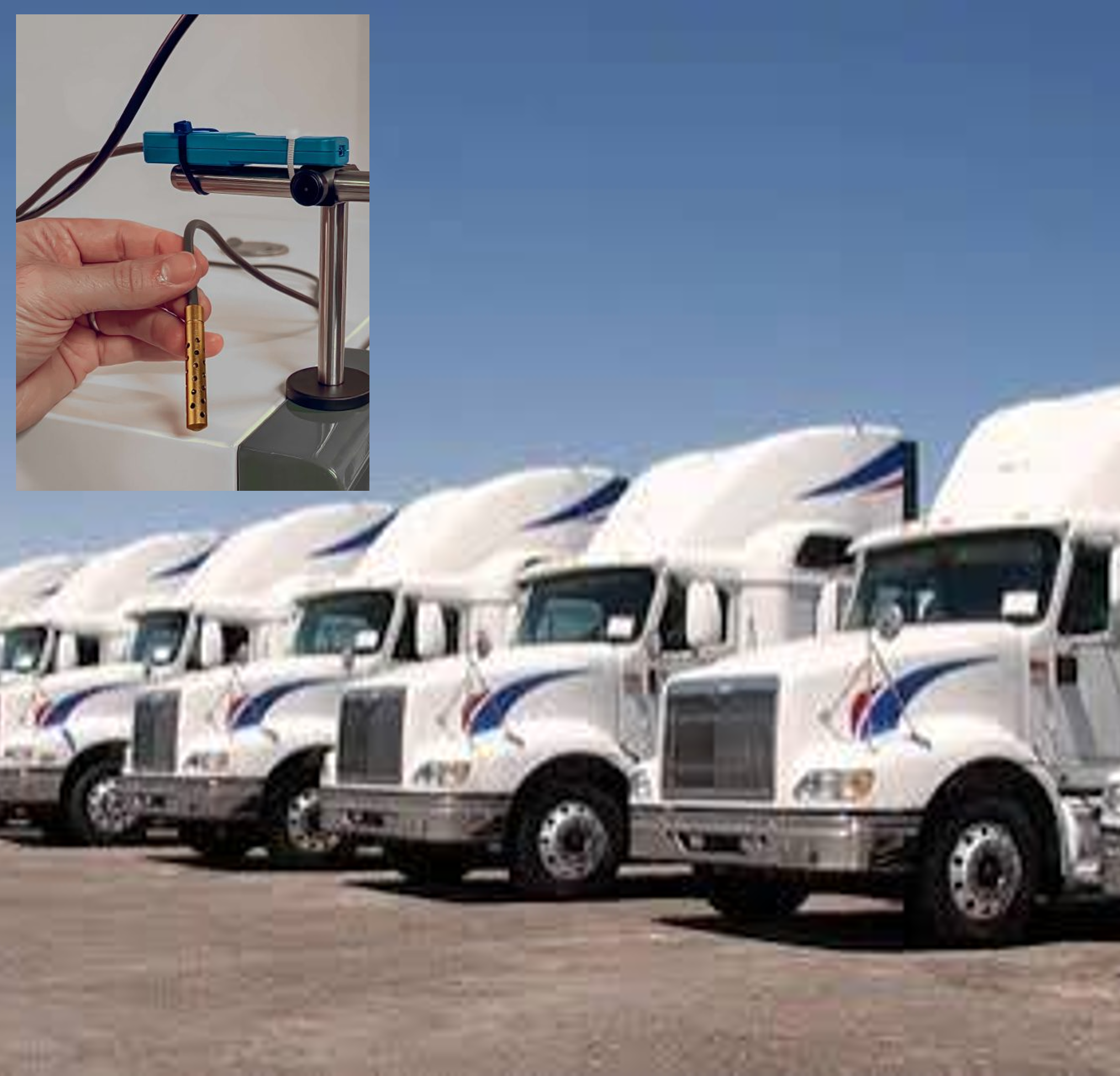
Monitoring thermal chamber temperature directly from in-house C# and .NET software
“With Dracal it was just ease of use. It was very easy to connect, and it let us automate the process easily. We could bring the readings straight into our own logging software instead of working through someone else’s tools.
To quantify it, we were up and running in a couple of minutes, while any other solution available on the market would have taken several hours.“
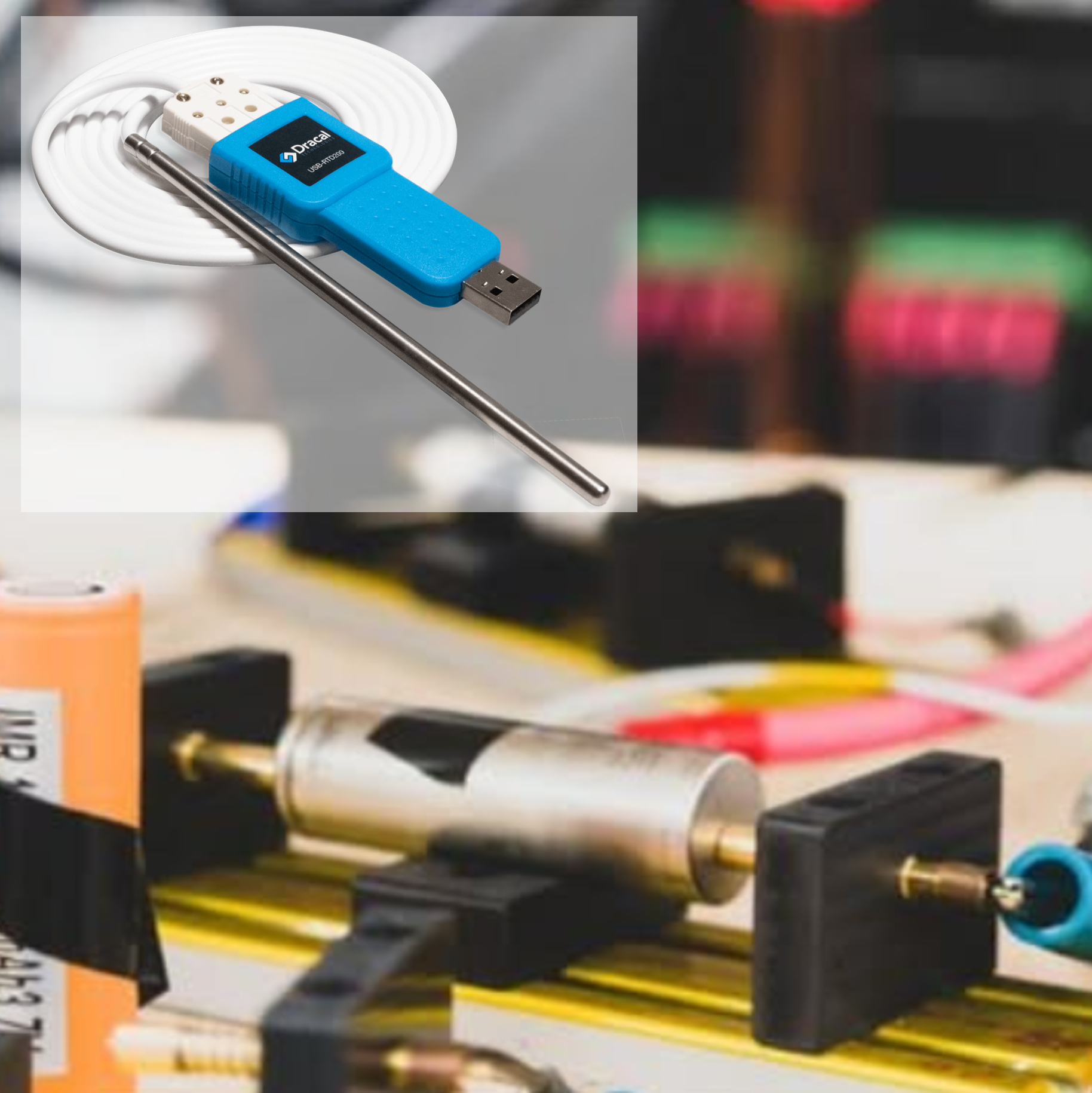
Automating temperature logging on an EV battery test bench
“What worked for us with Dracal was a calibrated RTD reader I could trust. I ordered the calibrated USB RTD adapter with a PT100 probe and a three-point temperature certificate, so the accuracy and resolution were where they needed to be, unlike the probe we had before. For thermal validation the calibrated reading is the part that matters most, because I have to be able to trust the number.“
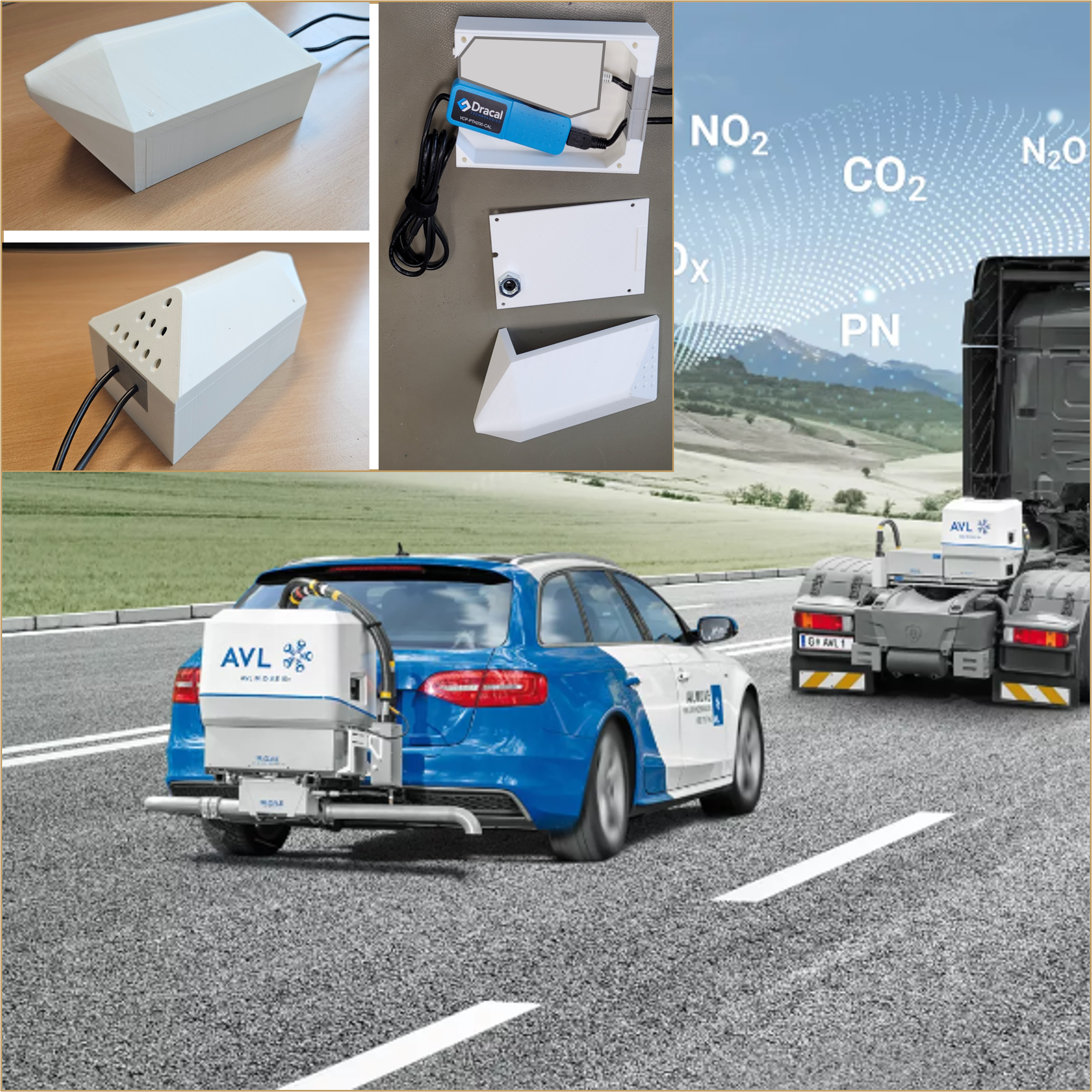
Calibrated sensors in a mobile automotive measurement platform
“It became clear that the Dracal sensor was actually working to solve our problem when we witnessed 1) the significant reduction in calibration time, 2) that measurements were more accurate and consistent, and 3) that our customers no longer had to send the entire system for calibration, which was actually a game-changer in terms of operational efficiency and customer satisfaction.“