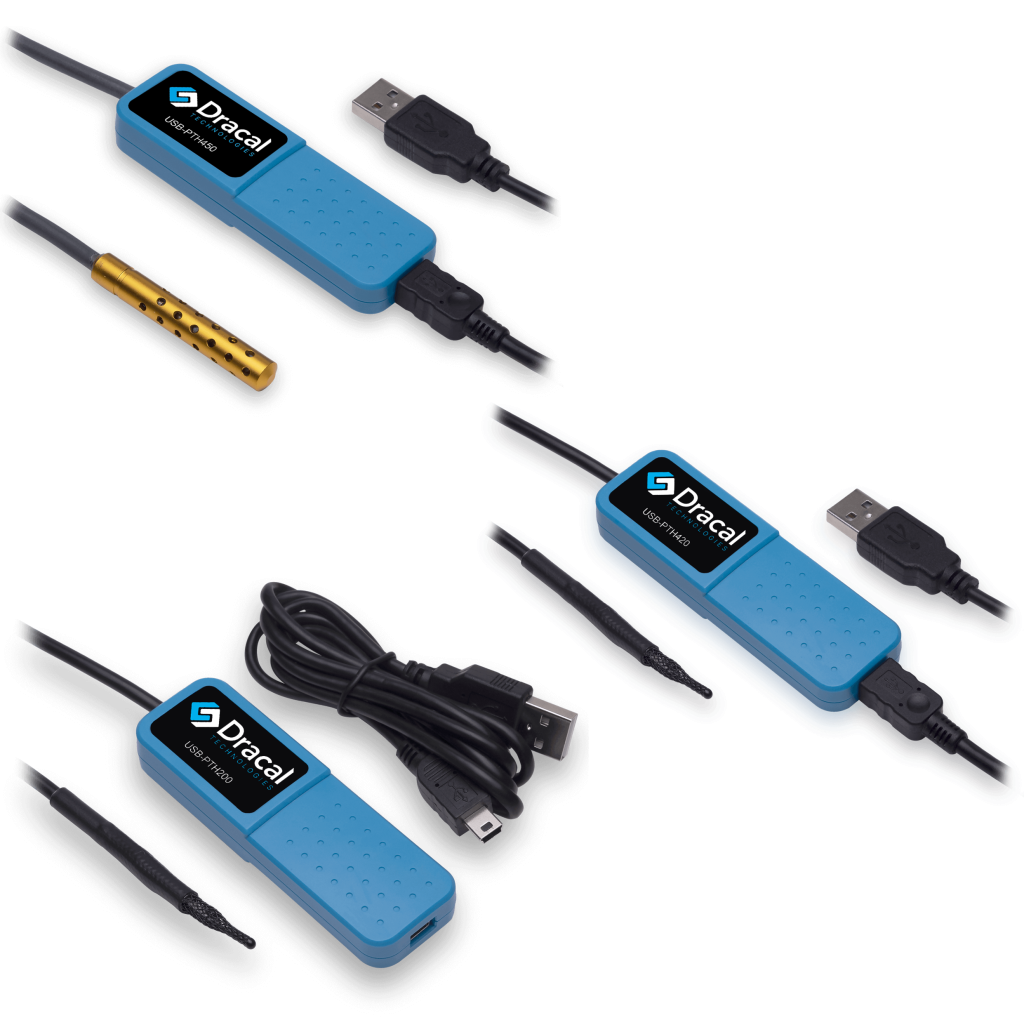
Your JEDEC documentation and your Python script need the same reference instrument.
Whether you run JEDEC qualification chambers, manage ESD-controlled production areas, or embed sensing in products you ship into this industry: the reference instrument is the same. And it needs to be traceable, programmable, and free of enterprise platform overhead.
Find your use case ↓See how electronics engineers use Dracal ↓
A few degrees of thermal drift during burn-in changes how a device characterizes. A humidity spike in a packaging area affects yield and triggers ESD events. By the time someone asks which conditions were present, the answer is either in the log or it is gone.
JEDEC, IEC 60068, and ANSI/ESD S20.20 require a traceable, identifiable reference instrument. Your test automation framework requires a programmable one. Most instruments satisfy one. None of the common alternatives satisfy both.
The traceability gap
Easy-to-program sensors carry no unique serial number and no calibration certificate. When the qualification audit asks which instrument was used and what its calibration status was, the answer determines whether the lot releases.
The programmability gap
Reliable calibrated references are accepted by quality assurance teams, but their programmable test interface (if available) requires days of implementation and specific expertise from a highly qualified engineer.
A reference instrument used in semiconductor should not force a choice
between a calibration certificate and a Python script.
We work with test engineers, quality control teams, and product developers across the semiconductor and electronics industry.
No enterprise platform overhead. No recurring license fees. No gap in your qualification package.





2011
3-yr
50+
Three places in semiconductor and electronics where Dracal instruments are deployed
Each application connects directly to your qualification documentation and existing test automation framework.
JEDEC JESD22 and IEC 60068 stress tests require a traceable reference in the qualification package. Every Dracal instrument ships with a unique serial number, and NRC/NIST traceable certificates are available as a separate option from any accredited laboratory.
ANSI/ESD S20.20 requires calibrated, identifiable instruments in ESD-sensitive production areas. Every unit carries a unique serial number and connects to your monitoring system via REST API or serial interface.
When your characterization bench or ATE runs on Python or C#, the reference needs a REST JSON API, MIT-licensed CLI, or serial interface. No DAQ platform license. Driver-free on Windows, embedded Linux, and macOS.
USB reference instruments for semiconductor test environments
Unique serial number on every unit. Traceable calibration certificates available as a separate option.
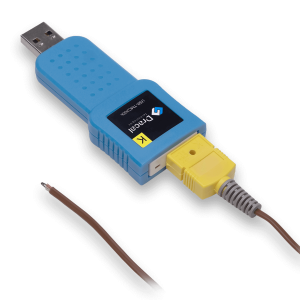
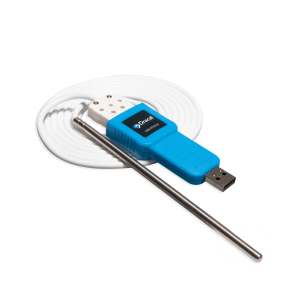
YOU RUN RELIABILITY QUALIFICATION AND ATE TESTS
Test engineering
You need calibrated environmental references in your test scripts, with JEDEC qualification documentation and no enterprise platform license.
YOU MANAGE QUALITY IN SEMICONDUCTOR PRODUCTION
Quality Control
You need calibrated humidity monitoring for ESD S20.20 compliance and traceable quality documentation.
YOU BUILD COMMERCIAL PRODUCTS FOR THE SEMICONDUCTOR INDUSTRY
OEM Integration
You embed calibrated sensing in products you ship, with a unique serial number on every unit, no Dracal software in your codebase, no GPL, and ISO 17025 traceability available as a separate option.
With Dracal reference instruments in your qualification chambers, your ESD production areas, and your ATE environments, every measurement record carries a unique serial number and a traceable certificate. Your qualification lot releases. Your ESD investigation has its record. Your OEM product ships with traceability built in.
That is what a semiconductor test infrastructure you can stand behind looks like.
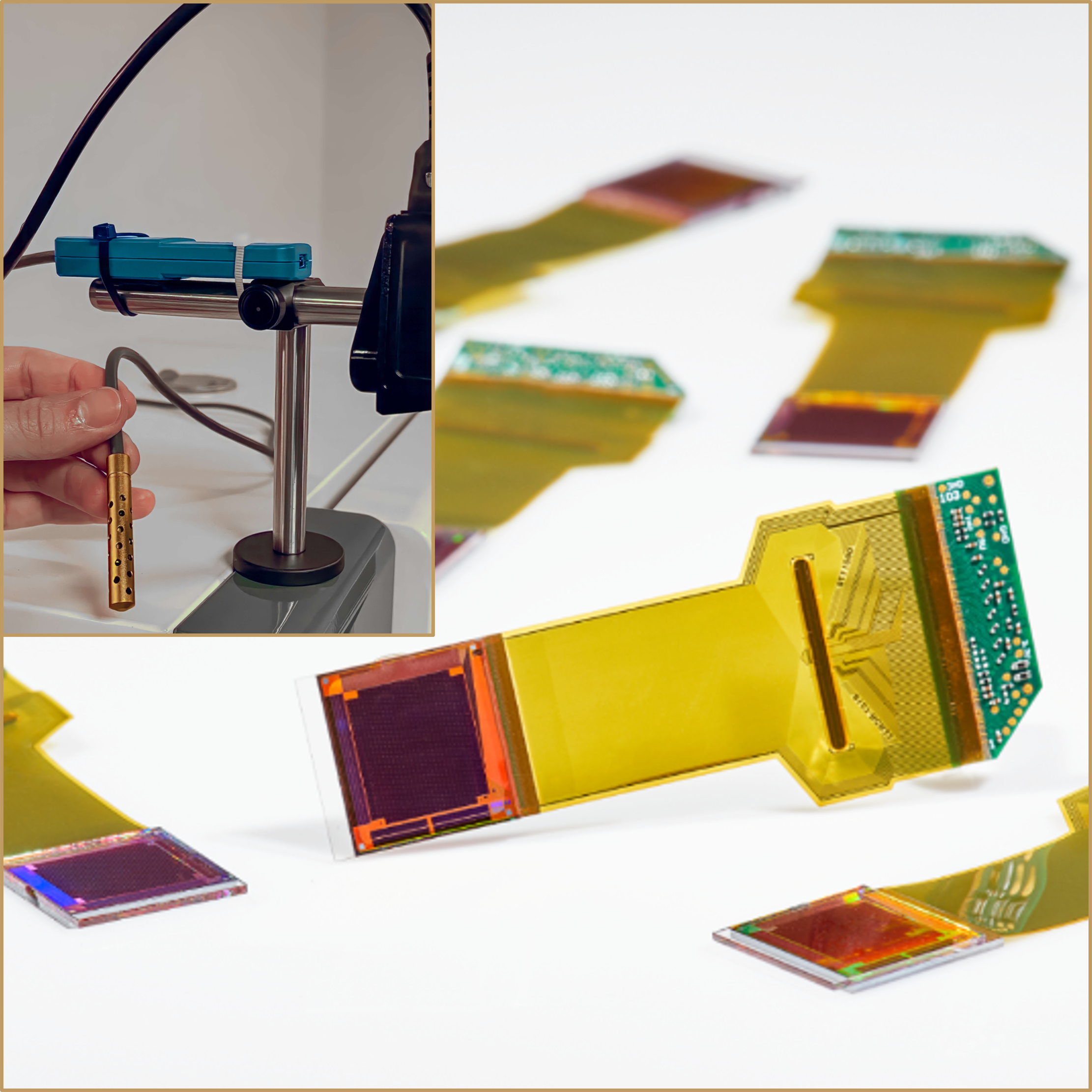
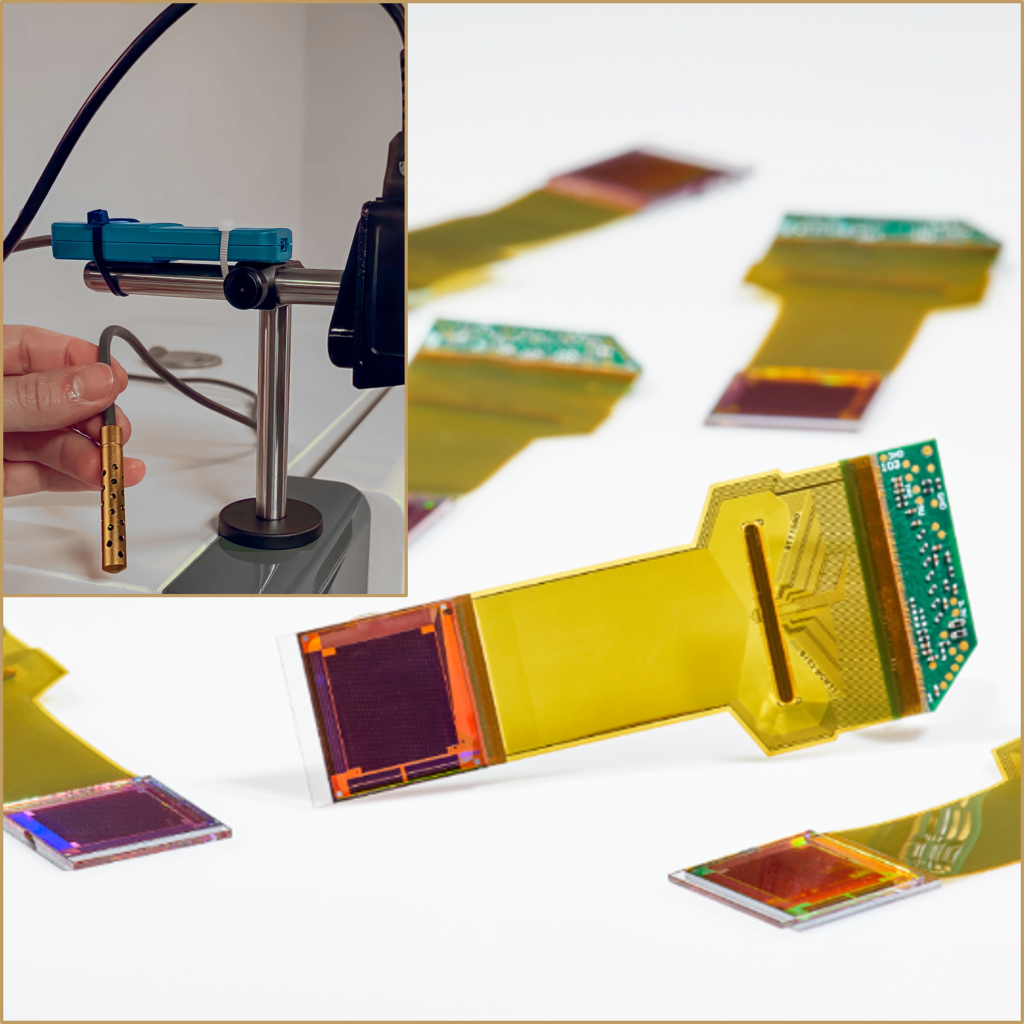
Reliability and quality system automation with Lumotive
Project: Development and manufacturing of solid-state beam steering chips for applications in autonomous vehicles, robotics, and various other sectors requiring 3D sensing and environmental perception solutions.
“When we looked at the other options, none had this combination of temperature/humidity range and out-of-the-box readiness. The possibility of choosing a solution that worked straight out of the box represented huge added value.“
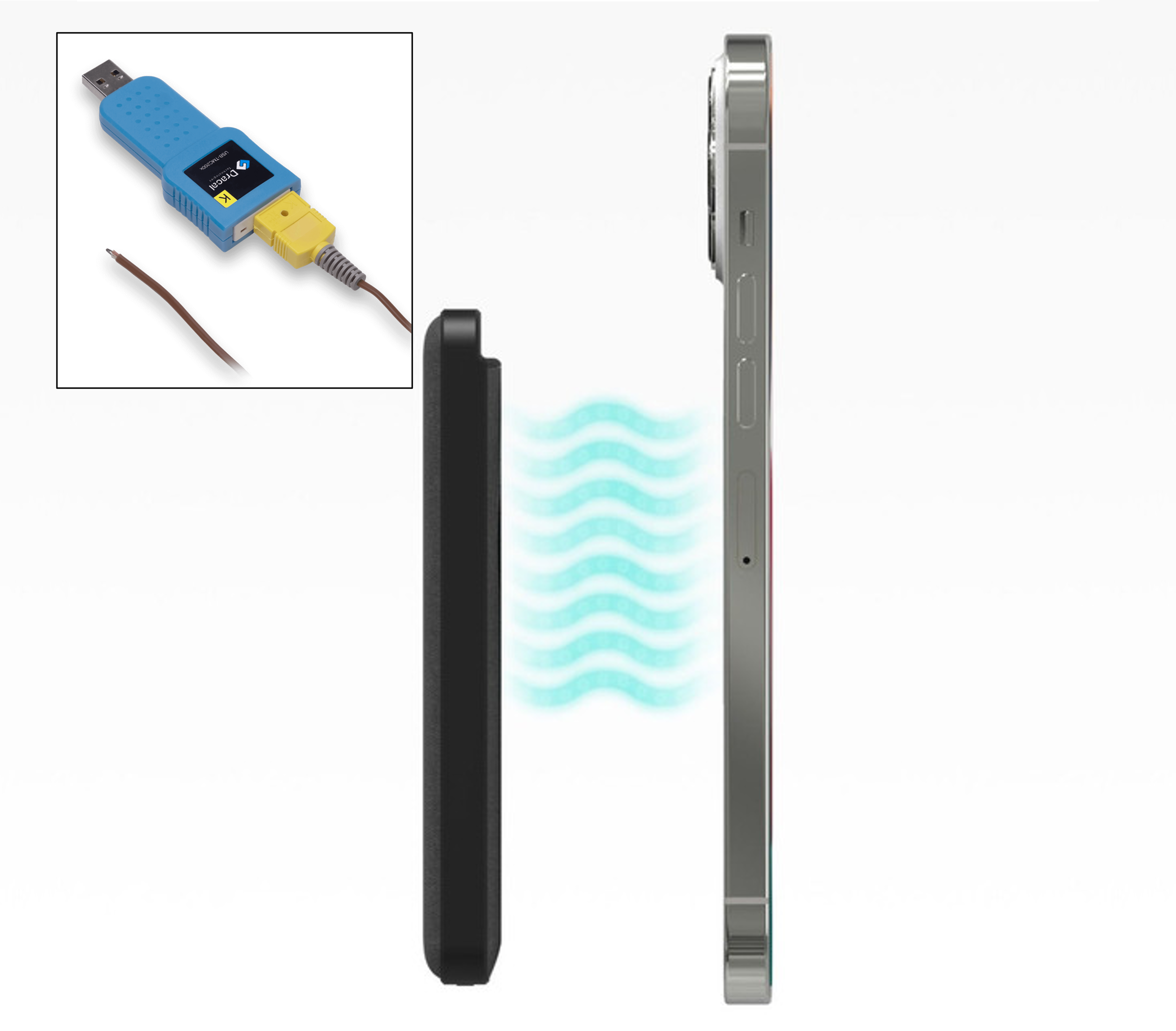
Measuring thermal profiles in portable power bank product development
“When we moved our test automation code to C# in Visual Studio, the NI infrastructure no longer fit our architecture. NI is built around LabVIEW, and moving away from it meant we also needed to move away from the instruments tied to that ecosystem. We needed a thermocouple temperature sensor that would communicate directly with our C# application without pulling the NI hardware stack along with it. It also had to be compact enough to fit in a product test setup alongside power measurement equipment.”

Adding traceable temperature logging to field-deployed utility meter test equipment
“We tested and challenged the product over 6 months. Today, we integrate them into our field equipment and configure them automatically on the station we use to set up devices before we ship them, so each one leaves in VCP mode, identified first by its vendor ID and then by its own serial number per channel. We also want the option to support more products than just the one we started with.”