Discussion with Jetperch’s founder, Matt Liberty
″We launched the first version of Joulescope in 2019, and this is now our third-generation product. Our devices have helped engineers design products with longer battery life and greater energy efficiency. They plug into a USB port and simultaneously measure current and voltage on the device under test. As an engineer, you can thus pinpoint exactly where your energy consumption is coming from, track how it changes over time, make adjustments, and observe the effects of those changes.
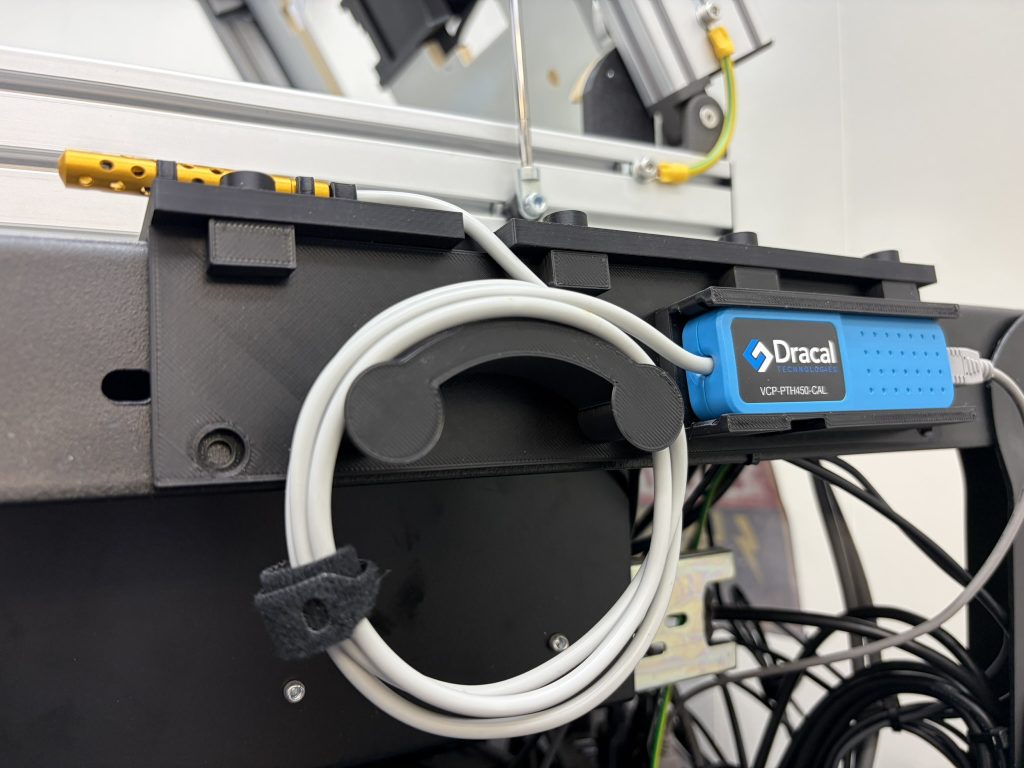
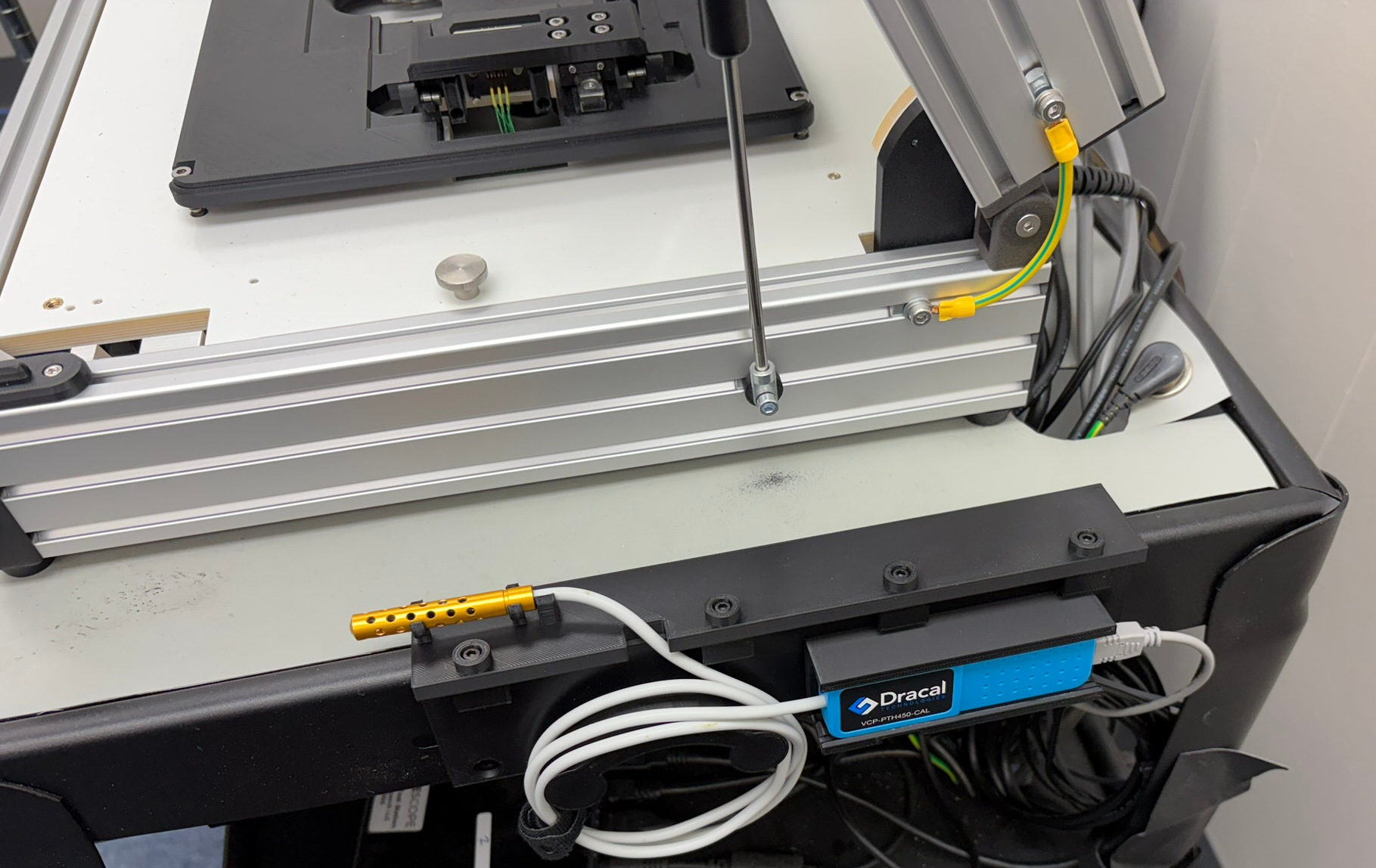
Every time we calibrate a Joulescope in the factory, we have a whole process around the test station where we program and calibrate it. As part of that process, we record the temperature and humidity at the time so we have this information as a traceable record. Since this is a metrology product, having that traceability is important.
We previously used sensors from Monarch Instrument. They used to have a USB sensor, but they discontinued it. When they went out of stock and discontinued this product, we were looking for a new solution.
We were looking for a NIST- or ISO 17025-traceable temperature, pressure and relative humidity sensor. We wanted the sensors we use to be fully calibrated and trustworthy. That was a key constraint. Also, the test bench we use is a custom-designed device equipped with various instruments that allow us to perform all analog calibrations of our products. Since the entire station is written in Python, we were also looking for a USB-connected sensor that would be very easy to integrate into this system.
We stumbled across Dracal just through a web search. We were convinced that Dracal’s calibrations were accurate, having been verified by a third-party ISO/IEC 17025-accredited laboratory. Dracal also stood out because of the easy-to-use feel it gave. There are a lot of other solutions out there that are not as easy to use and not as self-contained. Finding a responsive company that looked like it had good quality products that would fit right in was an easy choice for us.
We saw the Python serial examples on Dracal’s website, which were super straightforward and easy. We have a specific API that facilitates communication between the station and the various test devices, and it was very easy to adapt Dracal’s example to this context to get it up and running quickly.
We have brand-new test stations since the launch of the new JS320, and as part of this, installed the Dracal sensor and the system has been up and running since then. We’ve completed the calibration, manufactured over a thousand units, and haven’t encountered any problems.
Everything was extremely easy to set up and operate. It was exactly as advertised, which is already the most important thing. There were no surprises: the device simply turned on and worked, and we didn’t run into any problems. When we need upgrades, we will buy more, especially as we develop new production lines. We look forward to purchasing more Dracal products to meet our future needs.″
Matt Liberty, founder of Jetperch LLC and creator of Joulescope
Industry
Precision DC energy analyzers for low-power and battery-powered embedded development
Customer
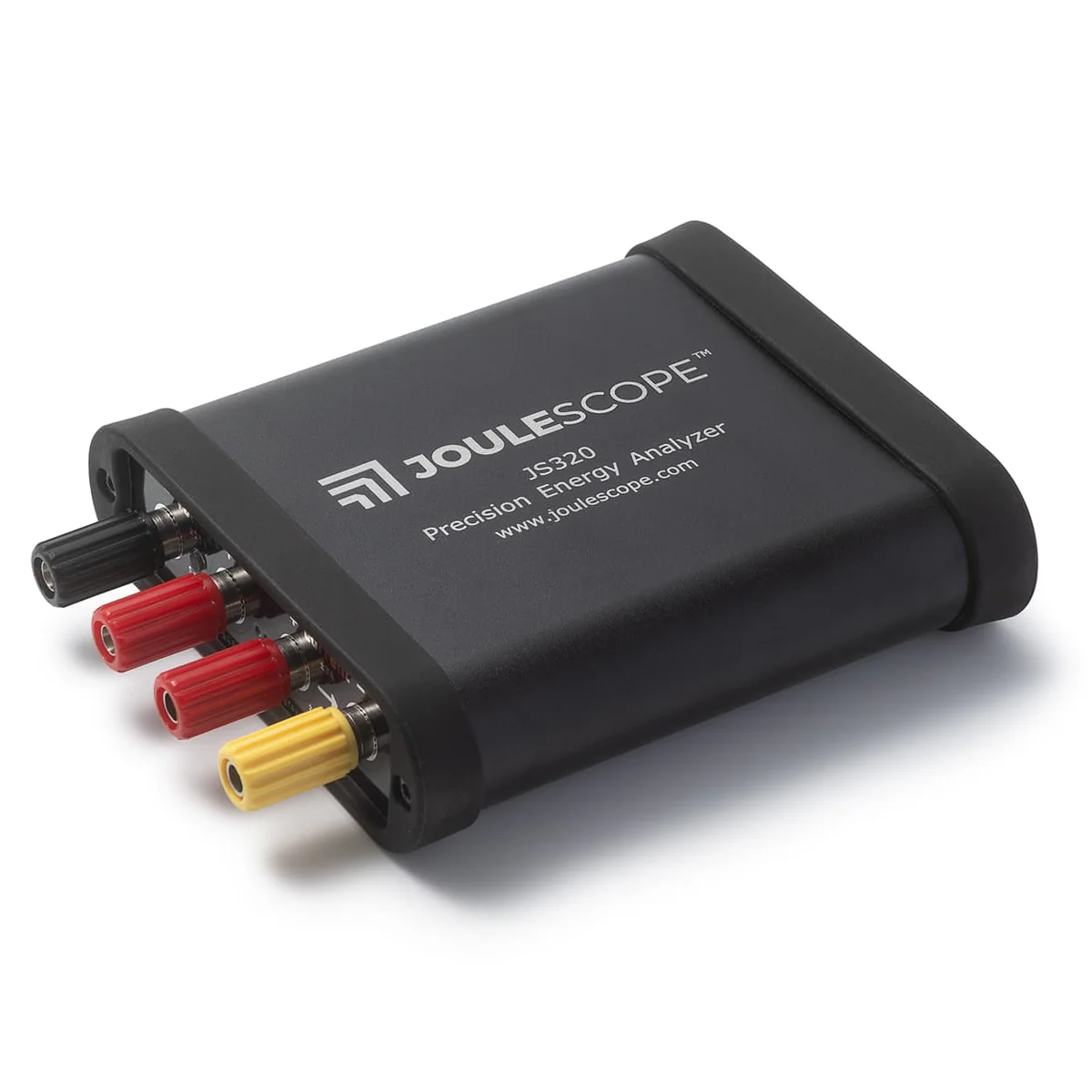
Jetperch LLC is a product development company located in Maryland, USA, and the creator of Joulescope, the easiest, most affordable and most accurate way to design products with longer battery life. Launched in 2019 and now in its third generation with the JS320, Joulescope measures current and voltage simultaneously, then computes power and energy across a dynamic range spanning nanoamps to amps.
Project
Jetperch programs and calibrates each Joulescope device in its own testing laboratory before shipping (End-Of-Line testing). The system must automatically record the ambient temperature, relative humidity and atmospheric pressure at the time of each calibration so that the resulting calibration report provides documented traceability for the customers who request this information.
Implementation
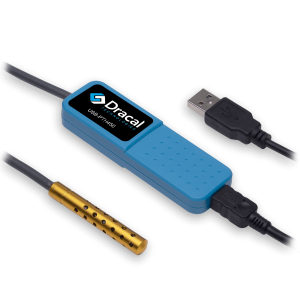
The calibrated Dracal VCP-PTH450-CAL sensors have been installed in the custom-built calibration system, fully programmed in Python. It connects via USB and provides a virtual COM port; the station therefore reads it using pyserial via the same internal API as that used for the other test equipment on the test bench. The Dracal Python serial program example has been adapted for this API, and the sensor fully integrated during the station’s reconstruction in preparation for the launch of JS320.
Dracal products
VCP-PTH450-CAL + NT3WT-3H-3P
Contribution to the project
The virtual COM port option let Jetperch read temperature, relative humidity and atmospheric pressure directly with pyserial, with no vendor software or driver layer to install on the calibration station and no protocol work to fit it to the station’s existing test equipment API. Factory calibration verified by an ISO/IEC 17025 accredited third party lab meant the team did not have to run its own temperature verification to trust the readings. The sensor was integrated into a Python-controlled system and was put into operation on the production line in less than an hour.
Customer feedback
“We selected it, bought it, got it working, put it on the manufacturing line, all without having to bother Dracal or any of their salespeople or technical people. Everything was super easy to get up and running. It was exactly as advertised, which is the best right there.”
Not sure if your project will benefit from Dracal’s solution?
Contact us, tell us about your project, and we’ll quickly determine if there’s a fit.
"*" indicates required fields